A Japanese steakhouse offers more than a traditional dining experience. It blends culinary craftsmanship, theatrical cooking, and a welcoming atmosphere that transforms a simple meal into an engaging event. In modern settings, this concept has evolved to combine authenticity with contemporary design, creating a space that appeals to families, professionals, and food enthusiasts alike.
Inspired by the traditions of a Japanese food restaurant, the steakhouse model emphasizes freshness, balance, and presentation. Guests do not simply order food. They participate in a shared experience built around live preparation and carefully selected ingredients.
The Origins of the Japanese Steakhouse Concept
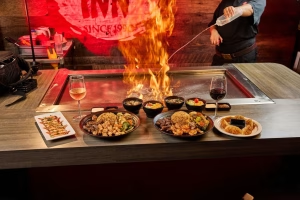
The Japanese steakhouse format draws inspiration from hibachi-style cooking. Historically, hibachi referred to a heating device, but in modern restaurants, it represents a flat grill where chefs prepare meals in front of guests.
Over time, this interactive approach became popular worldwide. It introduced diners to Japanese flavors while incorporating a sense of entertainment. The combination of performance and precision continues to define the identity of a Japanese steakhouse today.
What Defines a Modern Japanese Steakhouse
Modern establishments preserve traditional techniques while embracing updated aesthetics and service models. From minimalist interiors to efficient table arrangements, every detail is designed to enhance comfort and interaction.
A Japanese steakhouse typically includes:
- Hibachi Grill Tables
Guests are seated around a flat-top grill where chefs cook meals on demand. - Skilled Culinary Performance
Knife techniques, ingredient tossing, and controlled flame displays create visual excitement. - Fresh Ingredient Focus
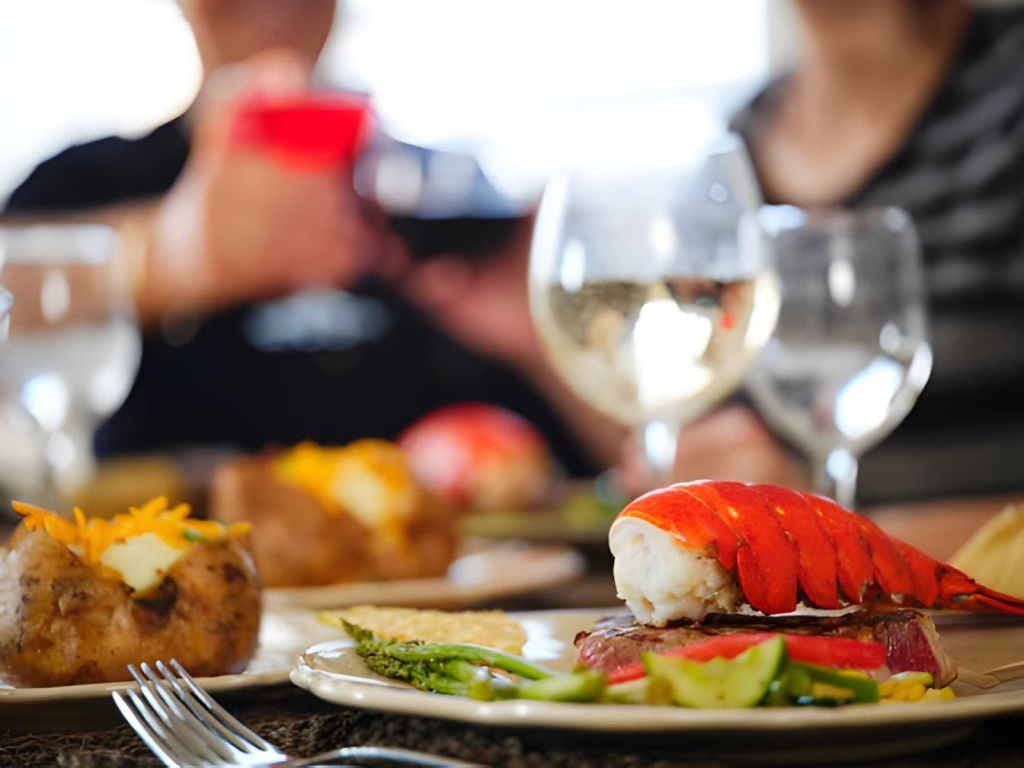
Steak, seafood, vegetables, and rice are prepared using balanced seasonings. - Community Seating
Shared tables encourage conversation among guests.
This blend of features creates a dining environment that feels both lively and refined.
The Role of the Chef in the Experience
In a Japanese steakhouse, the chef serves as both cook and host. The interaction between the chef and guests contributes significantly to the atmosphere.
Chefs often explain ingredients, customize cooking levels, and respond to guest preferences in real time. Their technical precision ensures that proteins are cooked correctly while vegetables retain texture and flavor.
The performance element adds energy to the setting, but it remains grounded in culinary skill and food safety standards.
Inside a Japanese Food Restaurant Setting
While hibachi grilling is central, a Japanese food restaurant may offer additional dining sections beyond the grill tables. Sushi counters, private dining rooms, and bar seating provide variety for different occasions.
Key features often include:
- Sushi Preparation Areas
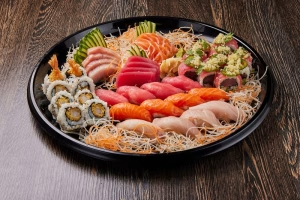
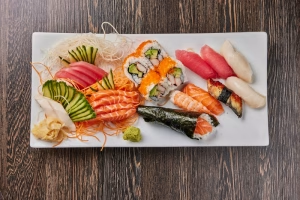
Skilled chefs prepare rolls and sashimi with attention to detail. - Traditional Menu Options
Miso soup, tempura, and noodle dishes complement grilled entrees. - Contemporary Design Elements
Neutral color palettes and subtle decor reflect modern influences.
This balance between traditional cuisine and updated ambiance allows the restaurant to appeal to diverse audiences.
The Interactive Dining Process
The experience at a Japanese steakhouse typically unfolds in stages. Guests are seated, orders are taken, and chefs begin preparing ingredients at the grill.
During cooking, several elements contribute to engagement:
- Demonstrations of knife precision
- Controlled bursts of flame
- Ingredient flipping techniques
- Direct communication with diners
This structured yet lively process keeps guests attentive and involved throughout the meal.
Atmosphere and Ambiance
Lighting, seating arrangement, and decor influence the overall environment. Modern establishments often combine wood accents, soft lighting, and open layouts to create warmth and visibility.
Unlike traditional fine dining spaces, the atmosphere is energetic yet organized. The sound of sizzling ingredients and chef interaction becomes part of the sensory experience.
Guests often associate these elements with celebration and social connection.
Traditional Dining to Japanese Steakhouse Dining
The following table highlights differences between conventional restaurants and hibachi-style establishments. Explore our Menu to see how these unique elements come together to create an engaging and flavorful Japanese steakhouse dining experience.
| Feature | Traditional Restaurant | Japanese Steakhouse |
| Cooking Location | Kitchen, out of view | In front of guests |
| Guest Interaction | Limited | High |
| Entertainment Element | Minimal | Integrated into meal service |
| Seating Arrangement | Individual tables | Shared grill tables |
| Dining Pace | Structured courses | Sequential live preparation |
This comparison demonstrates how the Japanese steakhouse model integrates food and performance.
Health and Ingredient Considerations
Modern diners often prioritize transparency and nutritional balance. Japanese cuisine aligns with these preferences due to its emphasis on fresh produce and portion control.
Advantages include:
- Lean protein options such as seafood and chicken
- Vegetable-forward side dishes
- Balanced seasoning without excessive sauces
While steakhouse meals can be indulgent, customization allows guests to align choices with dietary goals.
The Social Aspect of Hibachi Dining
One defining feature of a Japanese steakhouse is communal seating. Sharing a grill table encourages conversation among guests who may not know each other.
This format works particularly well for:
- Family gatherings
- Birthday celebrations
- Corporate dinners
- Group outings
The shared experience often creates lasting impressions and strengthens social connections.
The Evolution of the Modern Hibachi Restaurant
Today’s hibachi restaurants combine traditional cooking techniques with modern service standards. Online reservations, expanded beverage menus, and updated interiors reflect contemporary dining expectations.
Despite these advancements, the core experience remains centered on:
- Skillful live cooking
- Fresh ingredient preparation
- Guest engagement
This balance of heritage and innovation ensures continued relevance.
Cultural Appreciation and Authenticity
A Japanese steakhouse does not replicate every aspect of traditional Japanese cuisine, but it introduces guests to key flavors and methods. Soy sauce, ginger, garlic, and sesame oil create recognizable taste profiles.
By preserving culinary fundamentals while adapting to local preferences, these establishments create accessible gateways to broader Japanese food culture.
Conclusion
A Japanese steakhouse delivers a unique blend of culinary expertise, entertainment, and social engagement. Rooted in the traditions of a Japanese food restaurant, the modern hibachi concept transforms dining into an immersive experience defined by freshness, precision, and interaction. As dining preferences continue to evolve, this format remains a compelling option for those seeking both quality cuisine and memorable moments. Contact us today to reserve your table, explore our menu, and enjoy a Japanese steakhouse experience crafted to impress.
Frequently Asked Questions (FAQs)