The way people experience food has evolved significantly over the past decade, and Japanese cuisine is no exception. Digital platforms and online systems have transformed how meals are discovered, selected, and enjoyed at home or elsewhere. The option to order Japanese food online has shifted dining from a location-based activity to an experience that fits modern schedules and lifestyles.
This transformation has not only changed consumer habits but also influenced how Japanese cuisine is prepared, presented, and perceived. From menu structure to packaging considerations, online ordering has reshaped expectations while preserving the core principles of balance and quality.

Today, many restaurants also combine online ordering with convenient in-store pickup, allowing customers to place orders digitally and collect their meals quickly without waiting. Some restaurants even offer promotions such as promo code ONLINE20, which gives customers 20% off pickup orders at Japan Inn, making online ordering even more appealing.
The Shift from Traditional Dining to Digital Access
Japanese cuisine was once closely associated with in-person dining. The atmosphere, presentation, and pacing were central to the experience. While these elements still matter, digital access has expanded how people interact with food.
Online ordering has allowed diners to enjoy cuisine on their own terms. Instead of planning meals around restaurant visits, people can now integrate dishes into daily routines with greater flexibility.
With options like online ordering combined with quick pickup, customers can easily enjoy fresh meals while saving time. This shift reflects broader changes in dining culture, where convenience and accessibility coexist with culinary appreciation.
Increased Accessibility to Japanese Cuisine
One of the most notable changes brought by online ordering is accessibility. Japanese food, once limited to certain areas or special occasions, has become more widely available to diverse audiences.
This accessibility has influenced dining habits in several ways:
- People can explore cuisine without geographic limitations
- New diners feel more comfortable trying unfamiliar dishes
- Meals can be enjoyed in casual settings rather than formal environments
- Dietary preferences can be accommodated more easily through digital menus
Many restaurants also highlight dietary options directly in their menus. For example, some establishments such as Japan Inn offer vegetarian options, making Japanese cuisine more accessible for guests with specific dietary preferences.
Greater access has helped Japanese cuisine become part of everyday eating rather than an occasional treat.
Menu Evolution for Online Platforms
Menus designed for online ordering differ from those created solely for dine-in experiences. Restaurants have adapted by simplifying descriptions, organizing categories clearly, and highlighting dishes that travel well.
Before reviewing specific changes, it helps to understand what online menus aim to achieve. They must be visually clear, easy to navigate, and informative without overwhelming the user.
Common menu adaptations include:
- Clear categorization of dishes such as rice, noodles, and grilled items
- Simplified ingredient descriptions for quick decision-making
- Visual consistency that helps diners recognize favourites
- Focus on items that maintain texture and balance during transport
These changes have influenced how food is presented digitally without altering its core identity.
Convenience and Changing Dining Habits
Convenience is a major factor behind the rise of online ordering. Modern lifestyles often demand flexibility, and Japanese cuisine has adapted well to this shift.
Online ordering allows diners to plan meals around work, family, and personal schedules. Instead of adjusting plans to visit a restaurant, people can integrate Japanese meals into their existing routines.
Customers can also order online and pick up their food directly from the restaurant, which reduces waiting times and ensures meals remain fresh.
This convenience has encouraged:
- More frequent consumption of dishes
- Casual enjoyment rather than special-occasion dining
- Exploration of different menu items over time
- Greater familiarity with Japanese flavors and formats
Convenience has reshaped how Japanese cuisine fits into everyday life.
Impact on Food Preparation and Packaging
The transition to online ordering has also influenced food preparation methods. Restaurants now consider how dishes hold up during transport while preserving quality.
Packaging has become an extension of the dining experience. Proper packaging ensures temperature control, texture retention, and presentation integrity.
Key preparation considerations include:
- Separating sauces to prevent sogginess
- Using containers that maintain heat without trapping moisture
- Structuring dishes to preserve balance during movement
- Ensuring portion stability and presentation consistency
These adaptations help maintain quality even outside traditional dining spaces.
Role of Technology in Shaping Expectations
Technology has influenced not only access but also expectations. Online platforms allow diners to view menus, descriptions, and images before making decisions.
This transparency has raised standards across the industry. Diners expect clarity, consistency, and reliability when placing orders digitally.
Technology-driven expectations often include:
- Accurate menu descriptions that match delivered items
- Consistent preparation across multiple orders
- Clear organization that reduces confusion
- Reliable communication through digital ordering systems
As expectations rise, restaurants refine processes to meet digital-first standards.
Specialized Japanese Formats and Online Ordering
Japanese cuisine includes several specialized formats, each adapting differently to online ordering. While sushi, noodles, and rice bowls transition smoothly, grilled concepts require additional coordination.
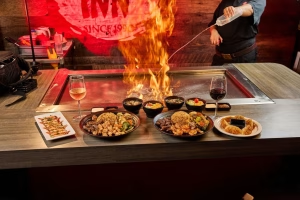
Many restaurants offer hibachi as part of their catering services, allowing guests to enjoy grilled Japanese dishes at gatherings and events. However, it is important to note that hibachi catering typically provides the prepared food rather than the live cooking show traditionally experienced in restaurants.
Adaptation in specialized formats often involves:
- Simplified presentation that preserves flavour
- Careful portion arrangement
- Focus on cooking precision rather than visual performance
- Packaging designed to maintain texture
These changes ensure quality remains central, even without in-person interaction.
Traditional Dining vs Online Ordering
| Aspect | Traditional Dining | Online Ordering |
| Dining Environment | Restaurant-based atmosphere | Home or personal setting |
| Menu Interaction | Server explanations | Digital descriptions |
| Meal Timing | Fixed dining schedule | Flexible consumption |
| Presentation | Plated for immediate service | Packaged for transport |
| Accessibility | Location-dependent | Widely accessible |
This comparison shows how online ordering complements rather than replaces traditional dining.
Cultural Preservation in a Digital Format
A common concern is whether online ordering affects the cultural integrity of Japanese cuisine. While formats have changed, core principles remain intact when handled thoughtfully.
Cultural preservation continues through:
- Respect for traditional preparation techniques
- Accurate representation of dishes
- Balanced flavour profiles
- Consistent ingredient quality
Digital platforms may alter delivery methods, but they do not diminish authenticity when high standards are maintained.
Consumer Education Through Digital Menus
Online ordering platforms often provide more detailed descriptions than physical menus. This has increased consumer awareness and understanding of Japanese cuisine.
Educational benefits include:
- Clear explanations of unfamiliar ingredients
- Exposure to traditional dish names
- Understanding of preparation styles
- More informed ordering decisions
As a result, diners become more knowledgeable and confident over time.
Order Online and Enjoy Exclusive Pickup Savings
Online ordering continues to reshape how Japanese cuisine is experienced without redefining its essence. By blending convenience with tradition, digital platforms have expanded access while reinforcing consistency and quality.
Customers can easily order online and pick up their meals in store, combining speed, flexibility, and fresh preparation.
To make pickup even more rewarding, customers can use promo code ONLINE20 to receive 20% off pickup orders when ordering online.
If you’re ready to enjoy authentic Japanese flavors from the comfort of your home or through convenient pickup, place your order online today and experience the ease of modern Japanese dining.
Frequently Asked Questions
Q: How has online ordering changed access to Japanese cuisine?
A: Online ordering has made Japanese cuisine more accessible to a wider audience. People can now enjoy a variety of dishes without visiting a physical location, allowing greater flexibility and convenience.
Q: Can I order online and pick up my food in store?
A: Yes. Many restaurants allow customers to place orders online and pick them up directly at the restaurant, saving time and ensuring fresh meals.
Q: Are vegetarian options available in Japanese cuisine?
A: Yes. Many restaurants offer vegetarian dishes. For example, restaurants such as Japan Inn provide vegetarian menu options to accommodate different dietary preferences.
Q: Does online ordering affect food quality?
A: Quality depends on preparation and packaging rather than the ordering method itself. When handled properly, dishes maintain flavor, balance, and consistency even outside the restaurant.
Q: How has online ordering changed access to Japanese cuisine?
A: Online ordering has made Japanese cuisine more accessible to a wider audience. People can now enjoy a variety of dishes without visiting a physical location, allowing greater flexibility and convenience.
Q: Can I order online and pick up my food in store?
A: Yes. Many restaurants allow customers to place orders online and pick them up directly at the restaurant, saving time and ensuring fresh meals.
Q: Are vegetarian options available in Japanese cuisine?
A: Yes. Many restaurants offer vegetarian dishes. For example, restaurants such as Japan Inn provide vegetarian menu options to accommodate different dietary preferences.
Q: Does online ordering affect food quality?
A: Quality depends on preparation and packaging rather than the ordering method itself. When handled properly, dishes maintain flavor, balance, and consistency even outside the restaurant.
Q: Does hibachi catering include the live cooking show?
A: Typically, hibachi catering provides the prepared food but not the live cooking performance that is usually part of the dine-in hibachi experience.