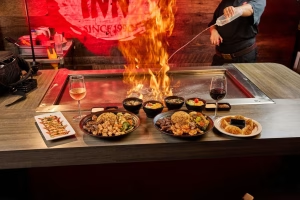
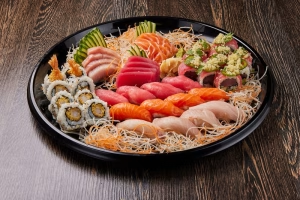
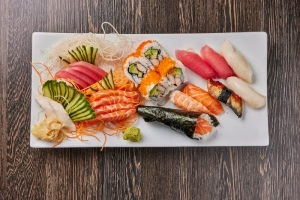
In 2026, diners are paying for more than food, they’re paying for a “moment.”The National Restaurant Association reports that 64%of consumers say they’re more likely to choose a restaurant that offers a “unique experience” beyond the meal (National Restaurant Association, 2025). That single data point helps explain why teppanyaki dining in Plantation and nearby Weston continues to surge in popularity: it’s dinner, live entertainment, and a memory-making ritual rolled into one.
In this guide, you’ll learn what’s driving demand for live hibachi cooking, how the Japanese grill experience fits the South Florida lifestyle, what families should look for when planning a family hibachi dinner Weston, and the 2026 trends shaping the modern South Florida Japanese restaurant scene. You’ll also get practical ordering tips, budget benchmarks, and common mistakes to avoid.
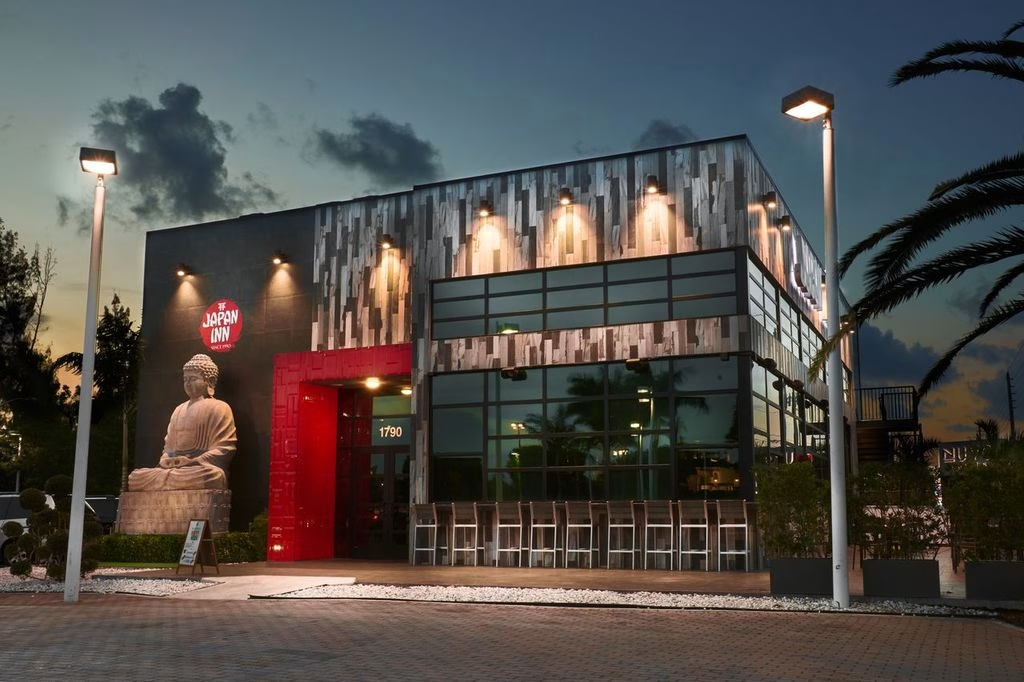
Why the “dinner + show” format is a perfect fit for Plantation and Weston
Plantation and Weston are built for social dining: multi-generational households, friend groups meeting after youth sports, and date nights that compete with streaming and home entertaining. Teppanyaki wins because it makes the meal itself the event.
Live hibachi cooking turns waiting time into entertainment
In many restaurant formats, time to first bite feels like friction. At hibachi, the performance is the waiting experience, knife skills, sizzling aromatics, and interactive pacing. That aligns with a broader shift: 73%of consumers say they’re more likely to return to a restaurant that delivers a “fun/interactive” experience (Touch Bistro, 2025).
It’s built for groups especially families
Hibachi seating is inherently communal, which matches how families dine in Weston and Plantation. A single table can host birthdays, graduations, and “we survived the week” dinners without requiring a private room. For families, the value is also behavioral: kids stay engaged because the chef’s performance creates “screens-off” attention.
The South Florida lifestyle advantage: why teppanyaki feels “local” here
Teppanyaki is Japanese in origin, but in South Florida it has evolved into a regional staple especially in Plantation and Weston because it fits the local cadence: celebratory meals, early dinners for families, and social-friendly dining rooms.
Plantation & Weston demographics support occasion-based dining
Weston’s family-heavy household mix and Plantation’s blend of professionals and established communities naturally fuel restaurants that can reliably deliver group satisfaction. Teppanyaki is one of the few concepts where a party of 6–12 can order “the same format” while customizing proteins and spice levels without fragmenting the experience.
Predictable pacing and value perception
Unlike some tasting menus or small-plate concepts, teppanyaki is straightforward: soup/salad, grilled vegetables, rice/noodles, protein, and often dessert. That structure helps diners feel confident about what they’ll spend and how long the meal will take, two key drivers for family dining decisions.
Nationally, restaurant traffic has remained sensitive to budget pressure, but diners still prioritize experiences when they feel “worth it.” Deloitte found that 47%of consumers planned to spend on experiences even while cutting back in other areas (Deloitte, 2025). Teppanyaki’s bundled meal + show supports that “worth it” threshold.

What diners actually value: taste, theatrics, and trust
The best teppanyaki experiences deliver three things consistently: crave able flavor, performance, and trust (food safety, ingredient quality, and transparency). In Plantation and Weston, those expectations are amplified by competitive dining options and high repeat-visit potential.
The “sizzle + aroma” effect (and why it converts first-timers)
Teppanyaki is a sensory format. The sound of the grill, garlic butter hitting heat, and visible done ness cues reduce uncertainty, especially for guests who are less familiar with Japanese cuisine. That’s important in family groups where not everyone is an adventurous eater.
Reliability matters more than novelty
Across the restaurant industry, consistency drives loyalty. According to PwC, 32%of customers will walk away from a brand they love after just one bad experience (PwC, 2024). Hibachi is often chosen for birthdays and group nights specifically because people want fewer surprises, other than the fun kind.
Trust signals families look for in a South Florida Japanese restaurant
Cost, value, and what to order: a practical 2026 guide (with benchmarks)
Price sensitivity is real in 2026, but so is experience justification. The key is knowing how to maximize value without sacrificing the fun. Below is a practical comparison of popular dining choices for groups in Plantation/Weston and what you typically get.
| Dining format | Typical per-person spend (South Florida, 2026) | Best for | Value drivers |
|---|---|---|---|
| Teppanyaki / hibachi dinner | $35–$70 (entrée-based; higher with cocktails) | Birthdays, families, groups, celebrations | Meal + live hibachi cooking, predictable pacing, broad menu |
| Sushi-forward dinner | $30–$90 (varies widely with rolls vs. omakase) | Date nights, adventurous eaters | Craft, variety, premium fish; less “show” |
| Steakhouse | $60–$140 | Business dining, milestone occasions | Premium proteins, service; typically higher checks |
| Fast-casual bowls (teriyaki/poke) | $12–$20 | Weeknight convenience | Speed, customization; minimal atmosphere/occasion value |
Note:Price ranges reflect typical 2026 menu pricing in South Florida across comparable concepts; exact pricing varies by restaurant, daypart, and add-ons.
Ordering strategy: how families can save without feeling “cheap”
Practical timing benchmark
For planning: most hibachi seatings run 60–90 minutes from seating to check, depending on table size and how quickly the full table arrives. If you’re celebrating, arrive 10–15 minutes early so the chef can start with a complete table, this improves pacing and reduces “dead time.”
2026 trends: what’s changing in teppanyaki dining right now
Teppanyaki is not standing still. In 2026, the biggest shifts are about convenience, dietary flexibility, and digital operations, especially in high-demand suburban markets like Plantation and Weston.
Trend 1: online waitlists and smarter reservations
Restaurants are leaning into waitlist tech, SMS updates, and tighter seating windows to reduce lobby congestion. This isn’t just convenience, it’s a revenue protection strategy. With operators still facing labor pressure, the National Restaurant Association notes that 70%of restaurant operators say recruiting and retaining employees remains their top challenge (National Restaurant Association, 2025). Better pacing and fewer no-shows help teams execute the show consistently.
Trend 2: more “diet-inclusive” hibachi
Expect more gluten-aware soy options, vegetable-forward plates, and clear allergen callouts. Consumer demand is pushing this: the IFIC Food & Health Survey found that 52%of Americans reported following a specific eating pattern at least sometimes (IFIC, 2024). For families, this matters because one dietary need can sway the whole group’s restaurant choice.
Trend 3: premium upgrades without “fine dining” formality
In 2026, many teppanyaki concepts are adding premium elements, better cocktail programs, higher-grade steak options, and elevated desserts, while keeping the approachable, fun format. It’s an answer to a market reality: diners want premium, but still want relaxed.
Common mistakes to avoid (and pro tips from frequent hibachi diners)
Teppanyaki is easy to enjoy, but a few avoidable missteps can reduce the experience—especially for first-timers or large parties.
Mistake 1: arriving in waves
Most hibachi tables are designed to start once the majority of seats are filled. When guests trickle in, the whole table waits and the chef’s pacing suffers. Pro tip:set a firm “arrival time,” not just a reservation time, and choose a single meetup point for families.
Mistake 2: not communicating allergies clearly
Soy sauce, sesame, shellfish, eggs, and dairy are common in hibachi prep. Pro tip:mention allergies when you book and again when seated. Ask whether separate utensils and a clean section of the grill can be used.
Mistake 3: over-ordering fried appetizers
It’s tempting to start with multiple apps, but hibachi portions are typically hearty. Pro tip:order one shareable appetizer for the table, then save room for the main show. If you want more variety, consider splitting one sushi roll as a “preview” rather than multiple heavy starters.
Mistake 4: choosing the wrong seat for your group
Kids who are sensitive to sound or heat may do better a seat or two away from the center grill action. Pro tip:request an end seat for strollers, toddlers, or anyone who needs a quick exit.
Edge case: what if your child is anxious around fire or loud sounds?
Ask the restaurant if the chef can tone down certain elements (some can skip high flames or loud utensil tricks). Bring simple coping tools (noise-reducing headphones, a small sensory toy) and choose an earlier seating when the room is less crowded.
Why Japan Inn resonates locally: what “great” looks like for Plantation & Weston guests
For a South Florida Japanese restaurant to win repeat visits in 2026, it has to deliver both hospitality and operational excellence. From a guest perspective, the best teppanyaki dining in Plantation feels effortless: smooth check-in, well-paced courses, and chefs who can read the table, playing up the show for birthdays and keeping it calm for families with young kids.
Japan Inn’s advantage as a concept (and what guests should look for anywhere) is consistency in the fundamentals:
Conclusion: why teppanyaki keeps winning in Plantation & Weston
Teppanyaki isn’t a trend that’s fading, it’s a format that matches how South Florida families and friend groups want to dine in 2026: social, memorable, and reliably satisfying.
If you’re planning your next night out, make it easy: choose a date, lock in your party size, and aim for a time slot that matches your group’s energy, especially for a family hibachi dinner Weston. When you’re ready, book a table with Japan Inn and turn an ordinary dinner into a shared story you’ll still be laughing about on the drive home.
Frequently asked questions