For many first-time diners, visiting a Japanese restaurant can be both exciting and overwhelming. Sushi menus often feature unfamiliar names, different styles of preparation, and dining customs that may seem intimidating if you’ve never experienced them before. However, understanding how to order sushi at a Japanese restaurant is much easier than most people expect.
Whether you’re planning your first visit to a Japanese restaurant in Plantation or simply want to feel more confident exploring Japanese cuisine, learning a few basic principles can transform your dining experience. From choosing beginner-friendly sushi rolls to understanding proper sushi etiquette, having some foundational knowledge allows you to enjoy your meal without uncertainty.
Plantation and the surrounding South Florida area have become popular destinations for authentic Japanese cuisine, offering everything from traditional sushi and sashimi to hibachi dining and modern fusion creations. This guide will help you navigate a sushi menu, understand key Japanese dining customs, and discover the best options for first-time sushi enthusiasts.
Why Sushi Is Worth Exploring
Sushi is one of the world’s most respected culinary traditions. Its popularity continues to grow because it combines fresh ingredients, artistic presentation, balanced flavors, and exceptional craftsmanship.
Unlike many cuisines that rely heavily on sauces and seasonings, sushi emphasizes ingredient quality. Fresh seafood, perfectly seasoned rice, crisp vegetables, and carefully selected accompaniments all contribute to a dining experience that is both simple and sophisticated.
Many newcomers mistakenly assume that sushi is only for adventurous eaters. In reality, Japanese restaurants offer a wide variety of options suitable for every taste preference, including cooked dishes, vegetarian selections, and rolls designed specifically for guests who are new to sushi.
Understanding the Different Types of Sushi
One of the most important aspects of learning how to order sushi at a Japanese restaurant is understanding the major categories found on most menus.
Nigiri
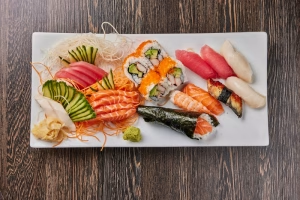
Nigiri consists of hand-formed sushi rice topped with a slice of fish or seafood. It is one of the most traditional forms of sushi and highlights the quality of the ingredients.
Popular nigiri options include salmon, tuna, shrimp, yellowtail, and eel. Because nigiri contains fewer ingredients than specialty rolls, it allows diners to experience the natural flavors of the seafood.
Sashimi
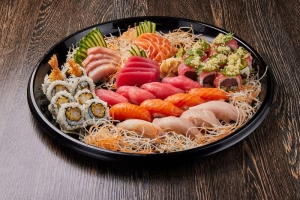
Sashimi refers to thinly sliced raw fish served without rice. This option is often preferred by experienced sushi lovers who want to fully appreciate the flavor and texture of premium seafood.
Although sashimi can seem intimidating to beginners, many diners eventually develop an appreciation for its simplicity and freshness.
Maki Rolls
Maki rolls are among the most popular choices for first-time sushi diners. These rolls typically contain rice, seafood, vegetables, and other ingredients wrapped in seaweed and sliced into bite-sized pieces.
Because they often include multiple flavors and textures, maki rolls provide an approachable introduction to sushi.
Specialty Rolls
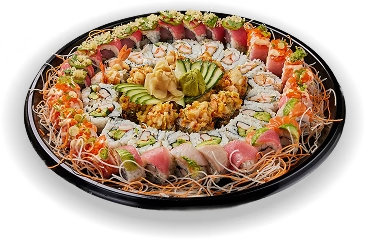
Specialty rolls feature creative combinations of ingredients, sauces, and toppings. These rolls are commonly found at modern sushi restaurants and often showcase the chef’s creativity.
Many specialty rolls contain cooked ingredients, making them ideal for beginners who are not yet comfortable trying raw fish.
Best Sushi for Beginners
Choosing the best sushi for beginners is often the key to having a positive first experience.
Many first-time diners feel pressured to order raw fish immediately. However, there is no requirement to start with traditional sashimi or nigiri. In fact, many sushi enthusiasts began their journey with cooked rolls and gradually expanded their preferences over time.
California Rolls are often considered the perfect introduction to sushi. Featuring imitation crab, avocado, and cucumber, they offer familiar flavors and a mild taste profile.
Shrimp Tempura Rolls are another excellent option. The crispy shrimp creates a comforting texture while introducing diners to the structure of a sushi roll.
Philadelphia Rolls, made with smoked salmon and cream cheese, provide rich flavors that appeal to many newcomers.
Vegetable Rolls are ideal for guests who prefer lighter options. Avocado, cucumber, and mixed vegetable rolls showcase the freshness that defines Japanese cuisine.
Cooked Eel Rolls are also beginner-friendly because they feature sweet sauce and a soft texture that many diners find appealing.
Starting with these selections allows guests to explore sushi comfortably while building confidence for future visits.
How to Read a Sushi Menu
Japanese menus may appear extensive at first glance, but they are typically organized into clear sections.
Most menus include appetizers, soups, salads, sushi, sashimi, rolls, specialty rolls, hibachi entrées, noodle dishes, and desserts.
If you are unsure about a particular item, don’t hesitate to ask your server for guidance. Restaurant staff are accustomed to helping guests navigate the menu and can often recommend options based on your preferences.
When ordering, consider selecting a combination of familiar ingredients and one or two new items. This approach allows you to expand your palate without feeling overwhelmed.
Sushi Etiquette Every Beginner Should Know
Understanding sushi etiquette can help first-time diners feel more comfortable while respecting Japanese dining traditions.
Fortunately, sushi etiquette is far simpler than many people assume.
One of the most common questions concerns chopsticks. While chopsticks are commonly used, it is perfectly acceptable to eat sushi with your hands, particularly nigiri.
Soy sauce should be used sparingly. Its purpose is to enhance flavors rather than overpower them. Adding excessive soy sauce can mask the delicate balance that sushi chefs work hard to achieve.
Pickled ginger is intended to cleanse the palate between different types of sushi. Rather than placing it directly on the sushi, diners typically eat a small piece between bites.
Many sushi pieces are designed to be eaten in one bite. Doing so allows you to experience the intended balance of ingredients and textures.
Most importantly, take time to appreciate the presentation. Japanese cuisine places significant emphasis on visual appeal, and the arrangement of the food is considered part of the overall dining experience.
Japanese Dining Tips South Florida Visitors Should Follow
South Florida has become a hub for diverse culinary experiences, and Japanese cuisine is no exception.
When visiting a Japanese restaurant in Plantation, there are several dining tips that can enhance your experience.
Start with lighter menu items such as edamame, miso soup, or a simple roll before moving on to richer specialty creations.
Be open to trying chef recommendations. Many restaurants offer signature rolls and seasonal specials that showcase their expertise.
Share multiple rolls with your table. This approach allows everyone to sample a variety of flavors without committing to a single dish.
Don’t rush through the meal. Japanese dining often emphasizes enjoying each course and appreciating the quality of the ingredients.
These simple Japanese dining tips South Florida diners follow can significantly improve your overall experience.
Beyond Sushi: Exploring a Japanese Steakhouse Experience
While sushi is often the main attraction, many guests discover that a Japanese steakhouse offers an equally enjoyable dining experience.
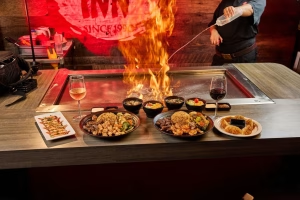
Japanese steakhouses feature teppanyaki-style cooking, where chefs prepare meals on a large grill directly in front of guests. The experience combines culinary skill with entertainment, making it popular for birthdays, family gatherings, and special occasions.
Common menu items include steak, chicken, shrimp, fried rice, noodles, and fresh vegetables.
For diners who are hesitant about sushi, a Japanese steakhouse provides an excellent introduction to Japanese-inspired cuisine while still offering familiar ingredients.
Many restaurants in Plantation successfully combine sushi bars and teppanyaki dining under one roof, giving guests the opportunity to enjoy both experiences during the same visit.
The Growing Popularity of Hibachi Delivery
Convenience has become increasingly important for modern diners, leading to the rise of hibachi delivery services.
Today, many Japanese restaurants offer delivery options that bring restaurant-quality meals directly to customers’ homes.
Popular hibachi delivery choices include grilled steak, chicken, shrimp, fried rice, noodles, vegetables, and sushi rolls.
For beginners, ordering hibachi delivery can be a great way to explore Japanese cuisine in a comfortable environment before visiting the restaurant in person.
This flexibility has helped Japanese cuisine reach a broader audience and introduced many new diners to the flavors and techniques that make it unique.
Common Mistakes First-Time Sushi Diners Make
Even experienced food lovers can make mistakes when trying sushi for the first time.
One common mistake is ordering too much food. Specialty rolls can be surprisingly filling, and beginners often underestimate portion sizes.
Another misconception is believing that all sushi contains raw fish. Many popular rolls feature cooked seafood, vegetables, or other ingredients.
Some diners also limit themselves to only one type of roll. Exploring a variety of selections often leads to a more enjoyable and memorable experience.
Finally, avoid overwhelming your sushi with soy sauce or condiments. The chef has carefully balanced the ingredients, and excessive seasoning can diminish the intended flavor profile.
Why Plantation Is a Great Place to Explore Japanese Cuisine
Plantation’s diverse dining scene makes it an excellent destination for both experienced sushi lovers and newcomers.
Restaurants throughout the area offer a wide range of Japanese culinary experiences, from traditional sushi and sashimi to contemporary fusion rolls and hibachi dining.
This variety allows guests to explore Japanese cuisine at their own pace while discovering new flavors and techniques.
Whether you’re visiting for lunch, dinner, a special celebration, or a casual meal with friends, Plantation provides numerous opportunities to enjoy authentic Japanese food prepared with care and creativity.
Final Thoughts
Learning how to order sushi at a Japanese restaurant doesn’t have to be intimidating. With a basic understanding of sushi varieties, menu terminology, and sushi etiquette, first-time diners can approach their experience with confidence.
From California Rolls and Shrimp Tempura Rolls to specialty creations and traditional nigiri, there are countless options suitable for beginners. Combining these selections with practical Japanese dining tips South Florida diners trust can help create a memorable and enjoyable meal.
Whether you’re visiting a Japanese restaurant in Florida for sushi, enjoying the excitement of a Japanese steakhouse, or ordering hibachi delivery from home, Japanese cuisine offers something for every taste preference. By keeping an open mind and exploring the menu thoughtfully, you’ll quickly discover why sushi remains one of the world’s most beloved dining experiences.
Frequently asked questions